When Invisible Smoke Costs You More: The Problem-Driven Case for Better Laser Cutter Fume Extraction
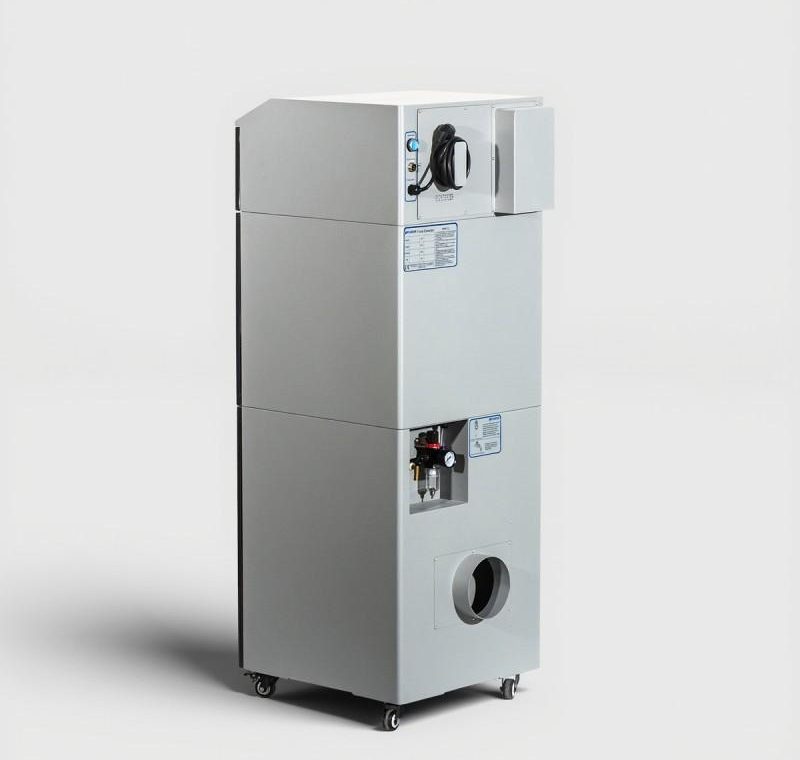
Introduction — a day in the shop, some numbers, and a question
I was sanding down a prototype when the room filled with that bitter, metallic tang—everyone paused. In workshops and small factories, a laser cutter fume extractor is supposed to make that moment routine, not alarming. Recent data shows particulate spikes near cutting stations can exceed safe limits by three to five times during heavy runs, and yet many shops still rely on basic filtration boxes. So I have to ask: are we trading convenience for the health of our team and the longevity of our equipment? (I’ve seen the coughs, the headaches — and I don't want you to.)
We need to be blunt. A lot of decisions are made on price alone. Folks install a cheap hood, hope for the best, and run their machines at full speed. That saves money today but stacks subtle damage over months: clogged optics, corroded electronics, worker fatigue. I’m talking real, measurable hits to uptime and morale. I’ve watched a small shop lose two weeks of production while they guessed at a mystery fault, only to find fume-induced residue on sensors and lenses. That’s not an abstract loss—it's payroll, deadlines, and stress. So let's dig into where the old approaches fail, and what actually helps the people and machines that keep your business moving.
Why traditional extraction often misses the mark
Why do old systems fail?
When I look at a typical setup, the first thing I notice is mismatch: a system sized by square footage, not by fume load. The industrial laser cutter fume extractor you see in many catalogs might list clean-air flow, but not the real-world metrics that matter—static pressure, fan RPM, or capture velocity at the nozzle. Engineers will tell you those terms. I tell you: they matter to keep smoke from sneaking past the hood. Look, it’s simpler than you think—if you measure the plume, you can design the capture.
Second, filtration is often treated as a “set-and-forget” part. Standard HEPA filters are great, but only if the pre-filter catches the heavy stuff first. Without staged filtering, you kill throughput and shorten filter life. Add in poor duct routing and you get pressure drops that the fan can’t overcome. The result? Lower airflow, more leakage, and higher fume concentration in the room. I’ve tested systems where the airflow dropped 30% within a month because the wrong pre-filter was used. That’s avoidable. In short: mismatch, poor staging, and bad maintenance plans are the hidden costs many don't budget for.
New principles and practical metrics for future-proof extraction
What’s Next — practical, not speculative?
We need to move from band-aids to principles. A modern approach starts with capture efficiency at the tool, not just cubic feet per minute at the fan. The right industrial laser cutter fume extractor design balances capture velocity, static pressure, and filter staging. Power converters and fan RPM control let you tune the system to the job—thinner materials, less draw; heavy metal cutting, higher capture. I like systems that include simple diagnostics so I can see when a pre-filter loads up. It saves me time and keeps optics clean. — funny how that works, right?
Practically, I recommend focusing on three evaluation metrics when you compare options: 1) Capture efficiency at source (measured at nozzle), 2) Total cost of ownership (filters, power, downtime), and 3) Real-time diagnostics (pressure differential readouts, airflow sensors). Those three tell you whether a system will protect people and keep production humming. Also, consider systems that allow edge computing nodes or simple controllers to log data—small insights prevent big failures. I’ve seen shops cut maintenance time in half just by monitoring pressure drops. So yes, invest a little thought now and you save headaches later.
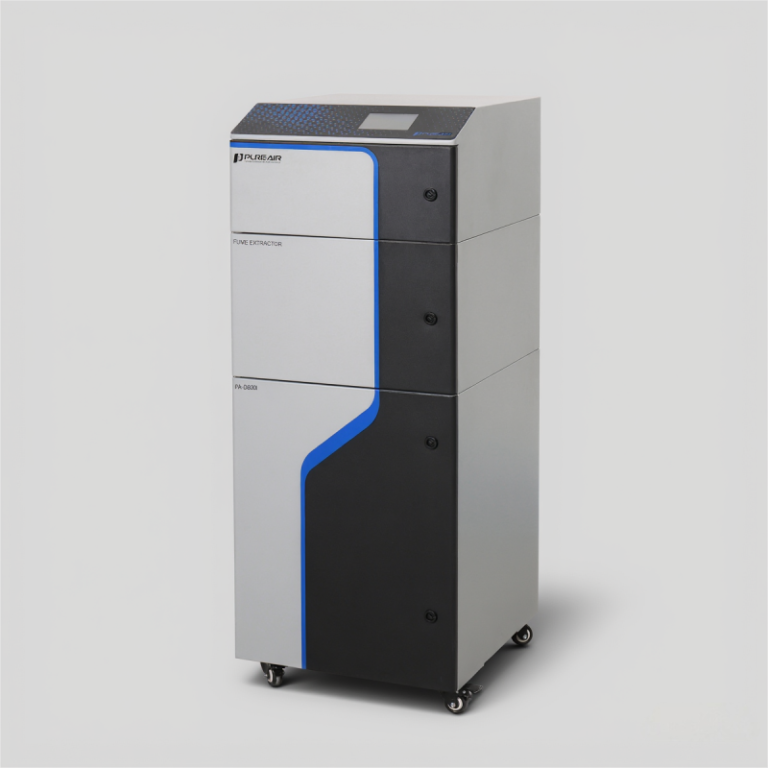 Closing — how I choose and what I watch for
I care about people in the shop and the machines they rely on. When I evaluate extraction, I look for honest specs, staged filters, and measurable capture numbers. Avoid vendors who hide behind vague airflow claims. Ask for a test on your setup. Bring in a particle counter. Weigh filter life, not just sticker price. That practical rigor? It pays off in uptime and in the health of your team.
When you’re ready to upgrade, remember those three metrics again: capture efficiency, total cost of ownership, and diagnostics. They have guided my purchases and saved me from one expensive, avoidable mistake after another. If you want a starting point, check real-world units and case studies from trusted suppliers—like the solutions I look at when specifying systems for shops I advise. I’m confident a well-chosen PURE-AIR setup will protect your people and your production—no myths, just making work better, one clean breath at a time.