A Practical Guide to Creating a Healthy Pond Habitat in Your Garden
Learn how to design and maintain a thriving garden pond with British pond plants, water lilies, and thoughtful margins.
Choosing the Right Site and Pond Shape
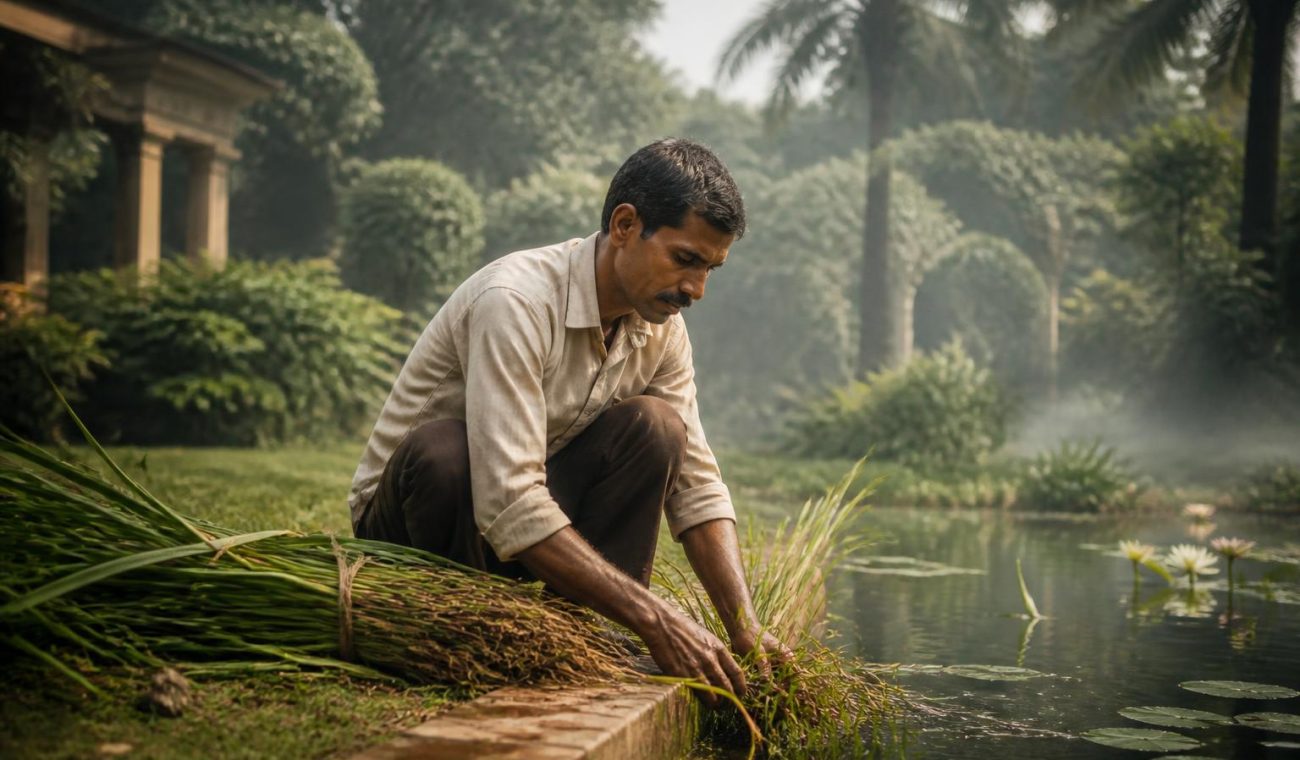
Position your pond where it receives morning sun and avoids harsh afternoon glare, helping aquatic life thrive and reducing algae bloom risks. Consider a shallow shelf for marginal pond plants and a deeper area for water lilies to root and spread without crowding. Use a natural, irregular edge to encourage wildlife visits and provide microhabitats along the edge. Pond Plants— a practical starting point for selecting suitable species that suit your climate and space.
Decide on a three-zone design: a deep central pool for clarity and winter refuge, a mid-depth zone for flexing plant growth, and a shallow margin where marginal pond plants can thrive. This arrangement supports diverse fauna, from dragonflies to frogs, while keeping maintenance manageable. Materials should be durable and matched to existing garden styles so your pond feels like a natural extension rather than a boxed feature.
Choosing Pond Plants: From Water Lilies to Marginal Species
Water lilies offer shade and beauty, with leaves floating on the surface and blossoms that rise above the water throughout summer. Choose hardy varieties that suit your local climate and ensure enough depth—typically 60 to 90 centimeters—for robust growth. Pair lilies with marginal pond plants that tolerate moist soil along the banks, such as iris and reed grasses, to create layered color and texture from edge to center.
When selecting british pond plants, prioritize diversity in leaf shapes, heights, and bloom periods to extend visual interest. Plant lilies in baskets to control spread and simplify maintenance, while marginals fill gaps along the shelf. Regularly monitor nutrient levels and prune back after flowering to prevent overcrowding, ensuring each species has room to breathe and feed.
Water Quality and Filtration Essentials
A healthy pond requires steady filtration and aeration to control ammonia, nitrite, and nitrate levels. Consider a biological filter paired with a gentle pump to keep water moving without creating disruptive currents for fish and amphibians. Aeration stones and a skimmer can reduce surface surface film and algae, maintaining a clear, hospitable environment for pond plant life.
Seasonal maintenance routines help prevent stagnation: remove fallen leaves promptly, top up water during dry spells, and test water chemistry monthly. Beneficial bacteria colonies establish biofilters that break down waste efficiently, while a modest plant density helps absorb excess nutrients. The goal is a balanced system where plant uptake and microbial action work hand in hand.
Seasonal Care: Spring Awakening to Winter Quiet
Spring brings fresh growth as nights warm and days lengthen; prune winter-damaged stems and replant any tubers or rhizomes that have settled. Fertilize sparingly to encourage robust flowering without triggering algae-laden overgrowth, and check that each plant has access to adequate light. Regularly remove any dead material to prevent decay from seeding problems that could disturb the overall balance.
Summer demand requires vigilance against overheating and nutrient excess. Keep marginal pond plants well-watered and avoid crowding around the margins, so air remains circulating. Monitor water lilies for leaf crowding and trim as necessary to ensure blooms receive enough light while preserving a graceful silhouette around the pond’s edge.
Wildlife-Friendly Landscaping Around the Pond
Think of the pond as a miniature garden ecosystem, inviting a range of wildlife while complementing the surrounding flora. Plant a mix of evergreen grasses and flowering perennials near the water to provide shelter for beneficial insects and birds. Avoid pesticides near the pond to protect delicate aquatic life and maintain a healthier balance across the entire garden.
Encourage amphibians by leaving damp, sheltered corners and a few shallow margins where they can breed. Integrating rocks and logs offers basking spots and resting places for aquatic life, while submerged vales and soft sediment create microhabitats for invertebrates. This natural approach reduces maintenance while enriching biodiversity in your space.
Common Challenges and Simple Fixes
Algae blooms often respond to nutrient management rather than harsh chemical interventions. Increase marginal planting to shade the water and absorb excess phosphates, while adjusting feeding routines for any fish to avoid waste buildup. If algae persist, consider reducing sunlight exposure with strategic planting and barrier methods that do not compromise aesthetics.
Cold winters or sudden frosts can shock delicate aquatic life; plan for winterizing by lowering water temperatures gradually and allowing for oxygen exchange. If you notice fish loss or plant dieback, reassess substrate depth and plant spacing. Small, incremental changes tend to produce the most stable, long-term improvements for both water quality and visual appeal.
Maintenance Schedule for a Thriving Pond Year-Round
Develop a simple calendar that aligns with your local climate, noting key tasks such as netting fallen leaves in autumn, trimming water lilies after flowering, and refreshing marginal plant soil at the start of each growing season. A routine approach reduces surprise issues and keeps both plants and wildlife healthy. Documenting seasonal outcomes helps you refine future plant selections.
Regular inspections of pumps, filters, and liners prevent small problems from escalating into costly repairs. Schedule semi-annual filter cleaning and check seals for leaks, while keeping a spare set of parts handy. A well-kept pond is a sanctuary for garden wildlife and a source of quiet delight for the gardener.
Enhancing Aesthetic Texture with a Subtle Touch
- Layer plant heights from foreground to back for depth, using marginals along the bank and floating lilies toward the center.
- Incorporate reflective stones and a gentle waterfall to create sound and visual interest without overwhelming the space.
- Choose year-round foliage where possible so the pond maintains structure in winter.