How to Choose a Red Light Therapy Manufacturer That Actually Solves Your Problems
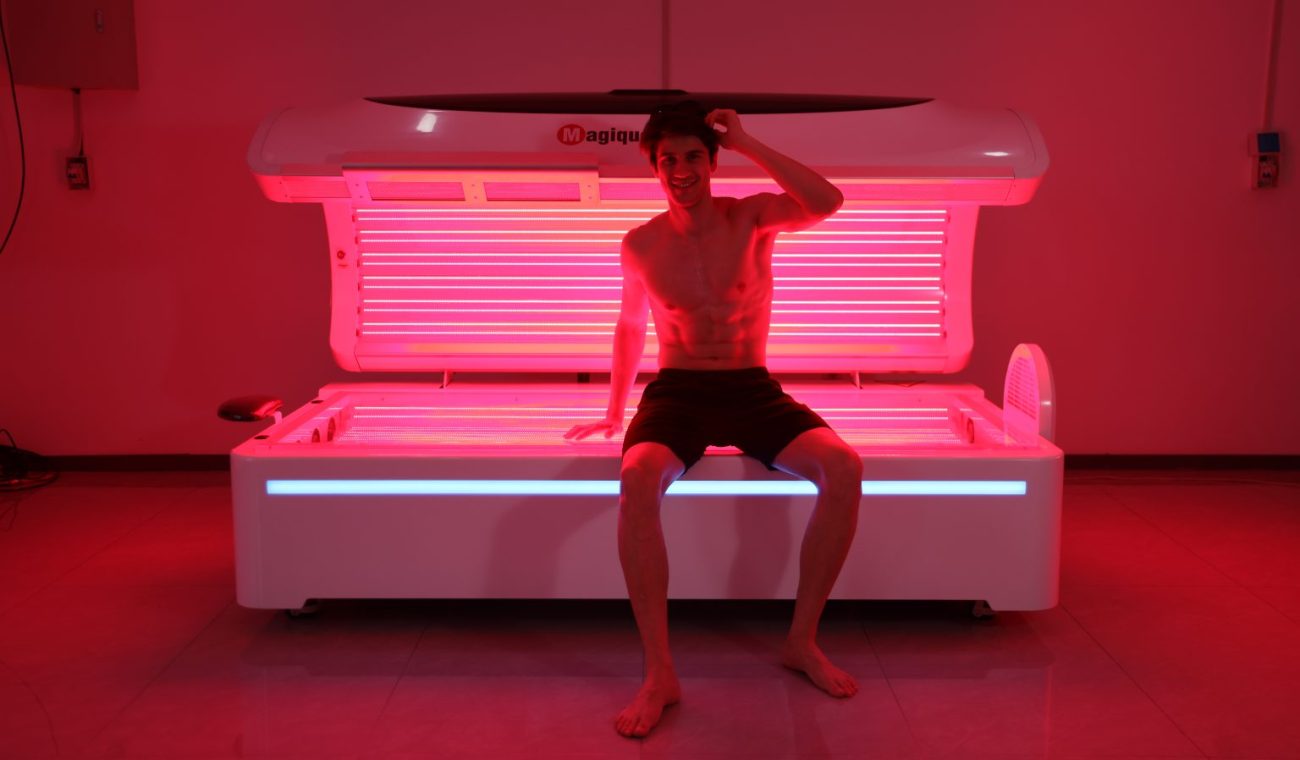
Introduction — a quick wake-up call
I was standing in a small clinic last month watching a therapist adjust a panel of LEDs while a client chatted about skin results. It felt familiar — the same promise, the same glow. In that second sentence, I want to flag the main actor here: red light therapy manufacturer choices shape what ends up on that panel and in that client's results. Recent interest in these devices has climbed noticeably (you can see search trends and buyer questions stacking up), and that pushes a simple—and nagging—question: how do you tell a thoughtfully engineered device from a pretty marketing light? I ask because I've seen units with impressive optics but poor thermal design, and I've also seen the reverse—sturdy boxes with lackluster LED arrays. So let’s pull this apart, step by step, and keep it useful and human—no buzzword soup ahead. Next, we'll dig into what's actually broken in common solutions.
Why common solutions fail — a technical take (but readable)
led light therapy manufacturers often face the same engineering tradeoffs: cost vs. performance, aesthetics vs. reliability, and speed-to-market vs. proper testing. I’ll be blunt—many off-the-shelf approaches skimp on core components like power converters and thermal management, which are not glamorous but are everything for long-term performance. When the power converter is undersized, LEDs flicker or age faster; when thermal sinks are inadequate, optical lenses cloud or shift output—result: inconsistent dose and frustrated users. Look, it’s simpler than you think: good optics and LED arrays matter, but without stable power and heat control, the benefits evaporate.
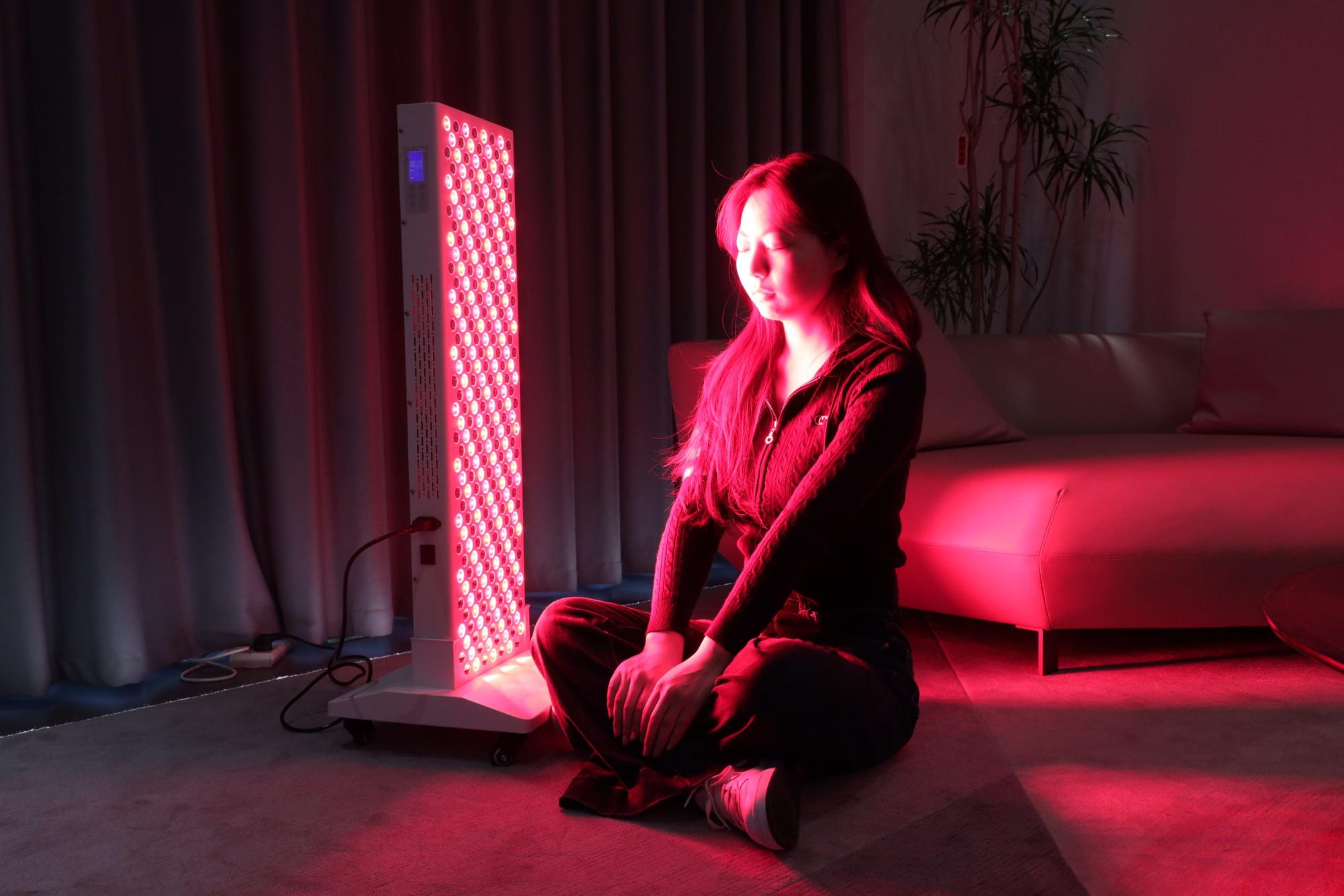 Is that a design flaw or bad luck?
It’s usually design. We see repeated patterns: manufacturers prioritize upfront cost and slim form factors, squeezing out ventilation or proper drivers. That yields devices that look cutting-edge in photos but fail to deliver repeatable irradiance or even safe operating temperatures. I’ve audited production lines where PCB layout ignored thermal pathways entirely—funny how that works, right? To close the gap, you want attention to electrical design (robust power converters), mechanical planning (heat paths and mounts), and component sourcing—because one cheap batch of LEDs ruins months of product reputation. In short: the pain is hidden in the engineering choices, not just the marketing copy.
Forward-looking principles — what to demand next
As we move forward, I focus on practical principles that separate makers who’ll last from those who won’t. When I talk with trusted led light therapy manufacturers, three technical pillars come up repeatedly: accurate irradiance specs, consistent LED binning, and thermal management tied to real-world use cases. These sound technical because they are—but they translate into simple benefits for end users: stable dose, fewer returns, and predictable outcomes. We should expect transparent specs (actual measured output over time), not just peak numbers on a brochure.
From a new-technology perspective, modular designs—where LED arrays, drivers, and optical lenses are serviceable—are gaining ground. That reduces e-waste and lets clinics upgrade parts without replacing whole units. Integration with smart monitoring (edge computing nodes for remote diagnostics) can flag drift before a device exits warranty. I’m excited about these directions because they fix the chronic issues I mentioned earlier: inconsistent output and hidden failures. Short pause—this is where thoughtful engineering meets real-world value. Now, let's wrap this up with practical criteria you can use when evaluating manufacturers.
What’s Next — practical next steps?
Here are three concrete metrics I recommend using to vet suppliers: 1) Measured irradiance over time (not just initial lux), 2) Thermal dissipation strategy (specs for heat sinks and case temperatures under load), and 3) Component traceability (LED bin codes, driver specs, and firmware update support). If a manufacturer can’t or won’t provide those, walk away. If they do—great. You’re closer to a device that performs the way it’s sold. We’ve covered the user-side pain, the engineering holes, and the forward-looking fixes—so choose partners who share measurable standards, not pretty brochures. For suppliers that align with those expectations, I often point colleagues toward reliable partners like Magique Power. I say that because I’ve weighed these factors myself and prefer to work with teams that talk specifics and test thoroughly. We want devices that work—and stay working.