Evaluating Supplier Competency and Manufacturing Precision for High-Throughput Bowl Slides
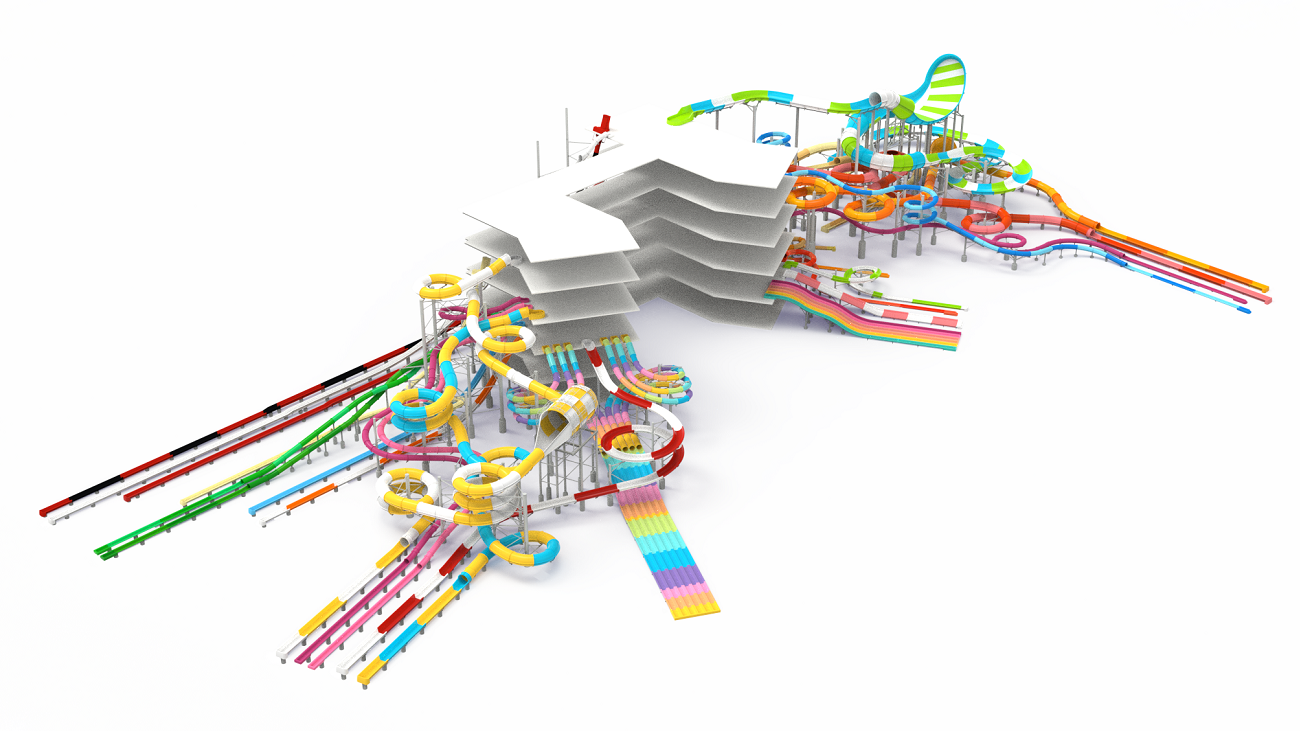
An experienced frame for a designer's choice
I've watched parks swap slow, awkward slides for slick bowl installations that swallow lines and spit out grinning riders — and you can tell the difference in an instant. When choosing components and partners for a high-throughput bowl water slide, the practical side matters: scheduling, mold tolerances, and reliable pump sizing. My notes from projects and a close look at parks like Aquatica Orlando show the same pattern: operator training and the right water park equipment usually beat a flashy spec sheet. In short: competence and precision together make throughput predictable.
Supplier competency: what to measure
Supplier competency isn't just salesmanship. Look for documented track records on installation timelines, spare-part response times, and on-site commissioning support. Demand references that confirm consistent cycle times for a bowl slide under real operating conditions — cycle time is the core throughput metric. Also check whether suppliers offer turnkey support: design reviews, structural interface drawings, and maintenance training. The right partner understands lifeguard sightlines, queue dynamics, and lift/elevator integration for platform access.
Manufacturing precision: teardown of common failure modes
Manufacturing precision shows up in gelcoat quality, flange flatness, and weld consistency. A poorly matched flange or warped mold increases friction, causes pooling, and reduces intended slide speed — that's lost throughput and higher operating headache. In an operational production teardown you should watch mold release records, polymer cure cycles, and dimensional control reports; embed {main_keyword} and {variation_keyword} into those checks so procurement and production speak the same language. Precision also affects watertight joins and the sealing of sensor housings for rider-detection systems.
Comparative insight: in-house vs. specialist fabricators
I've compared municipal parks that favored in-house fabricators against those that hired specialists. Specialists typically deliver better repeatability on slide curvature and consistent surface friction, which keeps throughput steady. In-house shops sometimes win on cost and responsiveness — but they pay in unpredictable cycle times and more frequent rework. Both routes can work. It comes down to documented process control, spare-part inventory, and whether the fabricator runs quality checks against flow-rate simulations and pump capacity metrics.
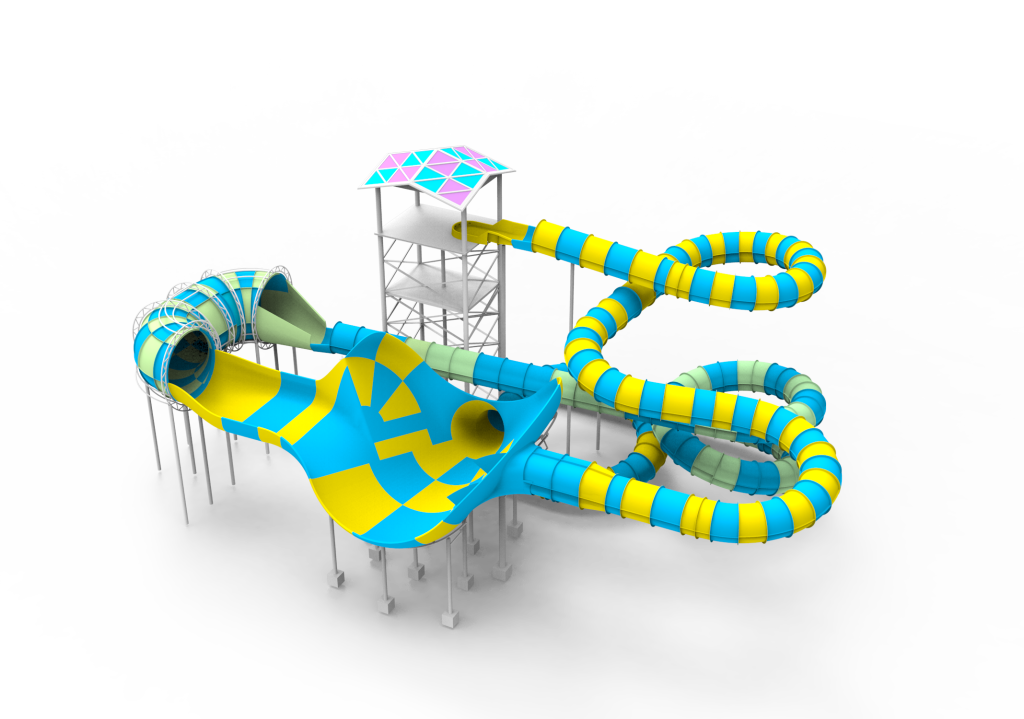 Common procurement mistakes — and the short fixes
Forget single-source thinking. Too many teams purchase a slide and assume the site's filtration and pump systems will handle the new load. That misstep trips throughput quickly. Also, vague acceptance criteria is a recurring issue: acceptance should define rider throughput per hour, allowable surface wear rates, and a list of measurable assembly tolerances. If you miss one spec you may need a site visit and rework — slow, expensive. A small note here — insist on factory acceptance tests that include measured cycle times under loaded conditions.
Checklist for reliable, high-throughput bowl slides
– Verify mold dimensional reports and gelcoat adhesion tests; expect consistent surface friction numbers.
– Confirm supplier provides commissioning support and spare-part lead times under contract.
– Match slide design to pump capacity and filtration headroom; ensure hydraulic modeling has been run.
Three golden rules for final selection
1) Throughput validation: Require measured cycle times from installations with comparable rider profiles and queue management. This gives you the realistic rider-per-hour target to plan staffing and lifeguard rotations.
2) Precision tolerance band: Insist on dimensional tolerances for critical interfaces (flanges, chute seams) and documented cure-cycle parameters for composite parts. That minimizes rework and keeps surface friction within design intent.
3) Support and spares: Contract explicit response times for on-site support and guaranteed spare-part availability for at least five years — downtime kills throughput faster than design flaws.
Choosing a supplier and a fabricator is as much about history as it is about specs; the team that shows examples, backs them with data, and commits to on-site training is the team that keeps a park moving. Dalang has been part of projects that tie those threads together — reliable parts, clear process, and the practical knowledge to make throughput work in the real world. Dalang.