Practical Garden Design and Home Improvement: A Realistic Guide to Indoor-Outdoor Harmony
A practical guide blending gardening, interior style, and home improvement for cohesive indoor-outdoor spaces.
Introduction to Harmonized Living Spaces
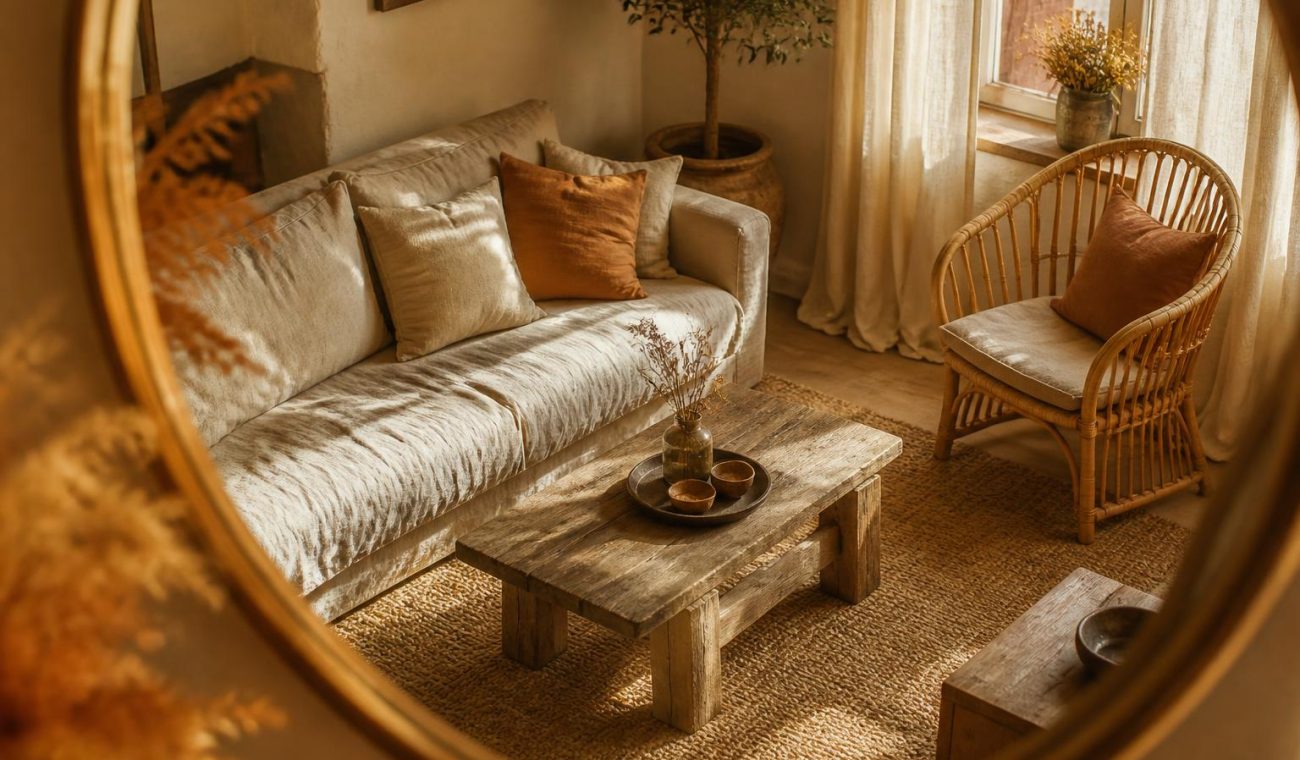
For many homeowners, the best home improvement project blends outdoor vitality with indoor comfort, creating spaces that flow from garden to interior. Thoughtful plant choices, durable materials, and a calm color palette help unify decor and landscape into one cohesive look. When you plan with purpose, you can enjoy a garden that supports daily life, from morning coffee on the patio to evenings spent arranging vases inside. lidar technology offers a glimpse of how precise mapping informs both planting beds and room layouts, ensuring every inch counts.
Before you begin, map your goals for home improvement and gardening together. Consider how much sunlight different areas receive, how you will access tools, and where you want seating and greenery to anchor the space. This approach keeps you from chasing trends and instead builds a durable plan. With clear objectives, you can prioritize durable plants, weather-rated furniture, and lasting decor that stands up to seasonal changes.
Choosing Plants That Support Both Rooms and Yards
Successful garden design starts with selecting plants that perform well in your climate and integrate with interior aesthetics. Choose a few evergreen specimens for year-round structure and seasonal blooms to create points of interest near entryways. Pair textures—soft grasses with glossy leaves—and combine vertical elements like trellises with low-growing groundcovers to define zones without closing them off. This approach strengthens the sense of flow from living rooms to the garden.
Incorporate edible elements where possible to merge gardening with daily routines. Herbs near the kitchen window encourage frequent use, while fruiting shrubs near a seating area create inviting moments of harvest. Ensure containers and raised beds are sized for easy access and minimal maintenance, so you spend more time enjoying greenery than tending it. Thoughtful plant placement also supports interior decor by reflecting seasonal color shifts indoors.
Hardscaping as a Foundation for Decor and Function
Hardscaping sets the backbone for both outdoor and interior design choices. Paved paths, stepping stones, and a durable patio surface establish zones that guide movement and protect delicate landscaping. When selecting materials, consider color and texture that complement indoor floors and furniture. A well-considered patio edge can echo the trim found inside, reinforcing the sense of continuity from home to garden.
Lighting is a critical component of hardscape planning, enhancing safety at night and extending the usability of spaces. Use layered lighting: path lights to guide, wall-mounted sconces near seating to soften the ambiance, and subtle uplights for trees. By planning lighting with decor in mind, you create inviting atmospheres that transition seamlessly from daytime interior living to evening garden rituals.
Storage, Tools, and a Neat Interior-Garden Workflow
An efficient workflow for home improvement and gardening reduces clutter and increases time spent enjoying both realms. Invest in weatherproof tool storage that seats near the entryway, with labeled bins for seeds, gloves, and pruning gear. A compact potting station keeps soil and pots organized, while a rolling cart can shuttle supplies between greenhouse, shed, and kitchen window for easy access during weekend projects.
Keep a dedicated space for decor and seasonal accents so interior updates can reflect the garden’s mood. Store vases, lanterns, and textiles in labeled storage bins or cabinets that are easy to reach from both rooms. This approach nurtures a daily rhythm where interior decor complements the garden’s seasonal character without turning the home into a workshop.
Water Features and Climate-Smart Choices
Water features add serenity and attract beneficial wildlife, but they require thoughtful placement and maintenance. A compact fountain near a seating area can create a soothing backdrop for conversation and relaxation. Use drought-tolerant plants around the feature to minimize maintenance, while soft textures like pebbles and moss provide natural elegance. This combination supports a calm interior palette by reflecting natural tones inside the home.
When selecting climate-smart options, consider rain barrels and drip irrigation to conserve water. Modern systems can be integrated with automated timers and smart home devices, which helps maintain healthy plant growth without extra effort. Pair these practical choices with decor-inspired containers to extend the garden’s color story into interior rooms, strengthening overall cohesion between spaces.
Seasonal Transitions: Keeping Decor Fresh Year-Round
Seasonal transitions are opportunities to refresh both interior spaces and garden spaces. Use textiles, cushions, and throws in a color family that mirrors the garden’s seasonal palette to tie rooms to outdoor views. Replace or rotate flowering pots visible from living areas to reflect the current season, creating a dynamic yet cohesive atmosphere that feels intentional and curated rather than sporadic.
Storage for seasonal decor should be easy to access and gentle on maintenance. Clear bins with labels help you swap elements without disturbing established plantings or furniture arrangements. This disciplined approach supports mindful decorating and a well-timed home improvement rhythm, allowing you to celebrate the garden’s cycles while preserving interior calm.
Maintenance as a Daily Habit, Not a Burden
Maintenance routines built into daily life make home improvement and gardening feel manageable rather than overwhelming. A brief morning checklist can include watering, quick prune, and wipe-down of outdoor furniture. Inside, a rapid reset to tidy surfaces keeps decor looking fresh and inviting. Regular attention to both spaces translates to healthier plants, longer-lasting furnishings, and a more serene living environment overall.
Automating simple tasks can free up valuable time for more meaningful projects. Smart irrigation, soil moisture monitors, and automated lighting are examples of technologies that reduce guesswork. With dependable routines, you can enjoy both a thriving garden and a comfortable, well-decorated interior without constant upkeep or stress.